Learning
Developing Communication and Language
One of the most important things we will ever learn, is how to communicate with others, listening attentively and expressing ourselves in return. Developing language underpins the ability to think and impacts all other learning. Therefore language development is a major focus for learning in the Early Years. This is described in the EYFS programme of study for Communication and Language:
Our staff have developed great knowledge and skill in supporting children’s communication and language. They work with each child on an individual basis, planning individual next steps, which enable each child to have just the right experiences and support to further their skills in understanding and speaking English.
Signalong
Our staff have been trained in Signalong, based on British Sign Language and similar to Makaton. Staff use these hand signs, along with the spoken word to help our children access language and new vocabulary.
 Signalong for “apple”
At Abercromby we have 52% of children who have English as an Additional Language (EAL) and we encourage our families to keep on supporting their children’s acquisition of their home language. These children actually have an advantage over children who just speak one language. There is evidence that people who speak more than one language have improved memory, problem-solving and critical-thinking skills, enhanced concentration, ability to multitask, and better listening skills.
Early Talk Boost
This academic year we are excited to roll out the ‘Early Years Talk Boost’ programme in Oak Tree room. Early Years Talk Boost targets 3–4-year-olds with delayed language skills, helping them catch up with their peers.
Children chosen for this programme will join three fun sessions per week during circle/ story time, each lasting 15-20 minutes. Our trained Early Years Talk Boost practitioners Laura and Mandy will lead these sessions. They are packed with activities that build essential speech, language, and communication skills.
To make these sessions engaging, we received an Early Talk Boost intervention pack. These packs are full of books, puppets, and musical instruments.
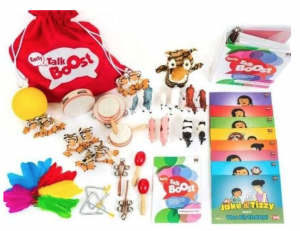
The Benefits of Early Years Talk Boost:
- Supports language development: Helps children who aren’t reaching expected language milestones.
- Enhances staff skills: Demonstrates a focus on staff development to Ofsted.
- Engages parents: Encourages parents to reinforce language skills learned in sessions.
- Complete solution: Provides a comprehensive package for speech and language support.
- User-friendly for all staff: Staff members who aren’t specialists can easily use this.
- Proven results: Improves children’s language and communication, supported by evidence.
- Sustainable: Built for repeated use with different groups.
Further information can be found in these documents and the introductory power point below:
WellComm
 Developing speech, language and communication skills is vital for all areas of life and can predict later school achievements and life chances from an early age. Communication is an essential foundation life skill that supports many other areas of development such as; behaviour, emotional wellbeing and lifelong learning.
At Abercromby Nursery School we support children’s speech and language development through access to high quality ‘talking environments’ from the earliest years. We use the WellComm screening toolkit to track children’s communication and language development, and provide tailored activities to develop their skills further.
Key Aspects of WellComm:
- Purpose: To screen for speech, language, and communication (SLC) needs early on and provide strategies for improvement.
- Target Age: Birth to 6 years (Early Years).
- Method: Involves observations, parent discussions, and fun tasks for children, using a color-coded system (like a traffic light) to indicate levels of concern (e.g., Green, Amber, Red).
- Support: Offers specific intervention activities and resources to support language development, often involving parents.
- Who Uses It: Early years practitioners, teachers, and speech therapists, even those without extensive prior expertise.
WellComm helps ensure children get the right communication support at the right time through easy-to-use screening and tailored interventions. If you have any concerns regarding your child’s Speech and Language development, please speak to your child’s Key Person or Natalie (SENCo)
URLEY

We were part of the North West URLEY project which aims to increase practitioner confidence and skill in supporting children’s communication and language development. As one of the lead schools we worked on improving our own practice, whilst also mentoring other settings on their own journey of self improvement. URLEY stands for Using Research to improve Language in the Early Years.
We encourage staff and families to adopt the three URLEY principles of effective language teaching and support:
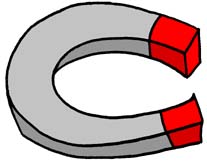 1. being a magnet
  2. being a radiator

and 3. being a conversationalist
The poster below explains what these look like in practice.
URLEY Language Learning Principles
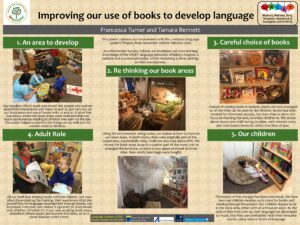
One of our improvements in practice through the URLEY project was a sharper focus on how we use books to promote language development. Our poster below celebrates how a more strategic approach to sharing books supports children’s language development.